THE CARD
Printed before you arrived
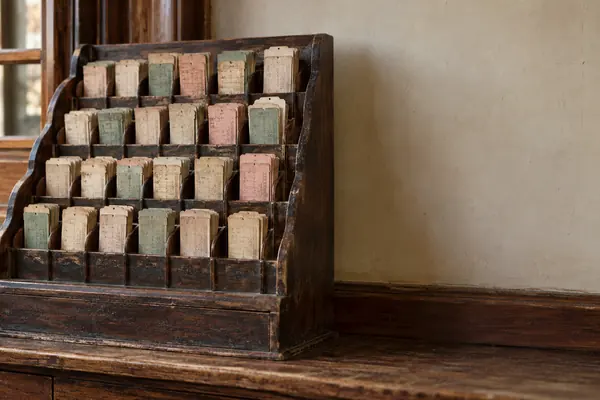
Each ticket was a small piece of cardboard pre-printed with the journey details, instead of a handwritten paper bill made out at the window.
Follow a ticket doodleticket
A SHORT HISTORY OF THE TICKET
Early railway tickets were written out by hand.
Follow a ticket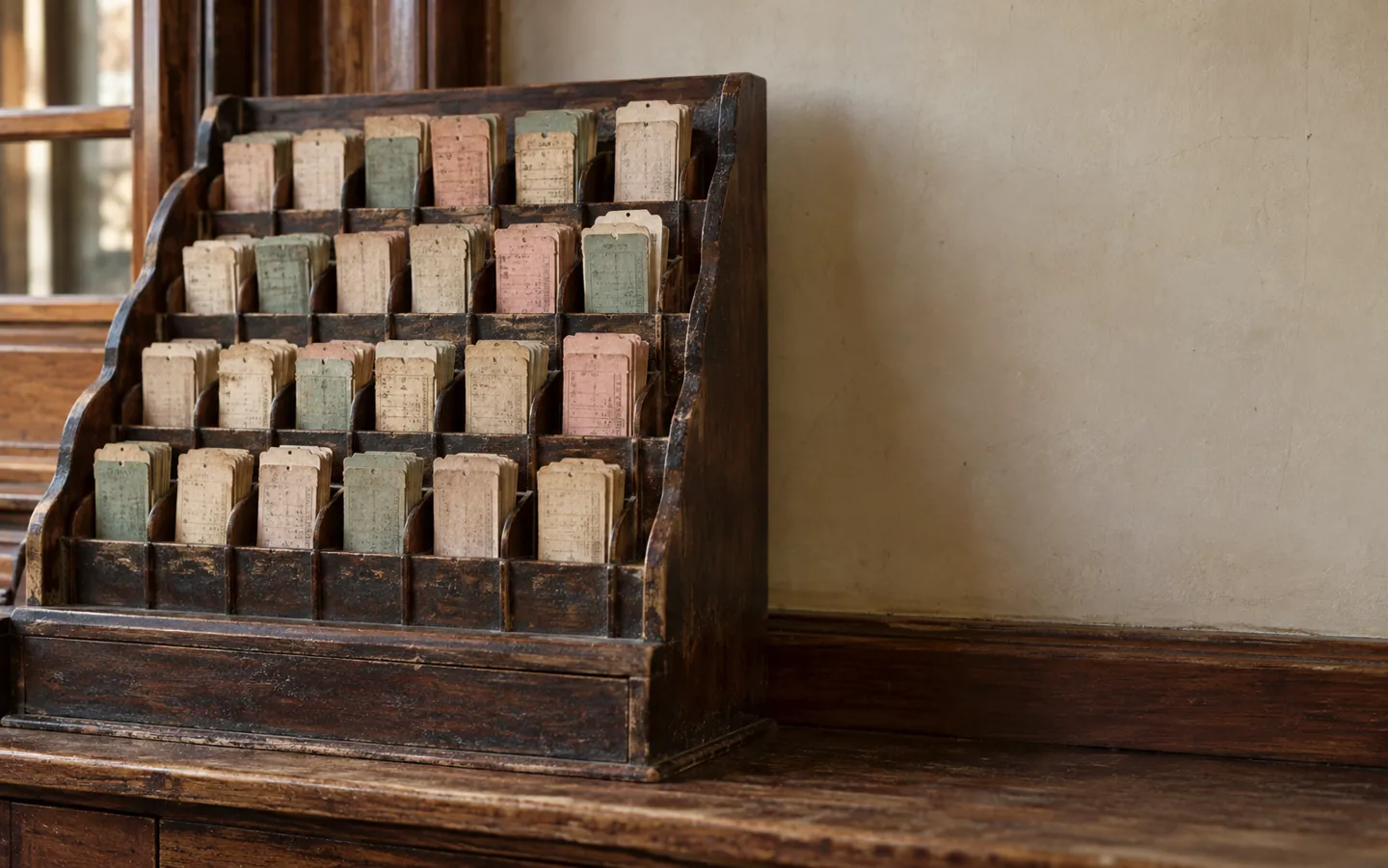
1837–1989card tickets in use
In the late 1830s a station master's system of printed, numbered card tickets changed that. It spread around the world and was still in use in Britain until 1989. Here is how it worked.
At a glance
200 a minute
Tickets a skilled operator could print
Before the machine, tickets were cut out by hand. The new method let a skilled operator print 200 per minute.
SPEED · SCIENCE MUSEUM GROUP
500 million+
Tickets printed in Britain in one year by the 1870s
The machines were used around the world, and by the 1870s Britain printed more than 500 million tickets in a single year.
SCALE · SCIENCE MUSEUM GROUP
TWO NUMBERS WORTH KNOWING
Both figures come from the Science Museum Group's record
of the original printing and numbering machine.
The Science Museum Group says the original printing and numbering machine was patented in 1840. Grace's Guide dates the first production version's patent to 1850.
FOLLOW A TICKET
Pick a stage in a ticket's life to see which machine handled it. The bar shows how mechanised that stage was, from hand tools to the lever-driven printing machine.
Based on Science Museum Group collection records and Grace's Guide to British Industrial History.
THE SHORT ANSWER
The system replaced handwritten paper bills
with small cardboard tickets pre-printed with the journey.
THE CARD
Each ticket was a small piece of cardboard pre-printed with the journey details, instead of a handwritten paper bill made out at the window.
Follow a ticketTHE PRESS
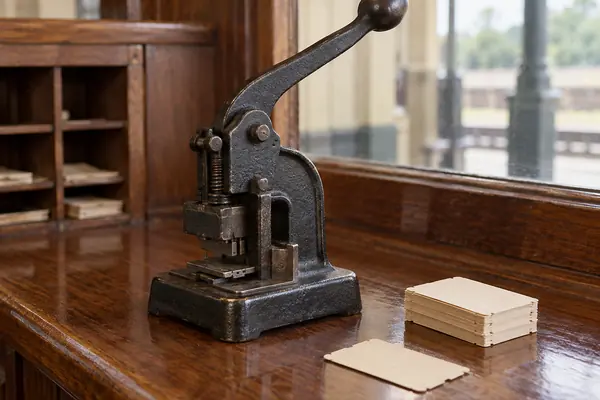
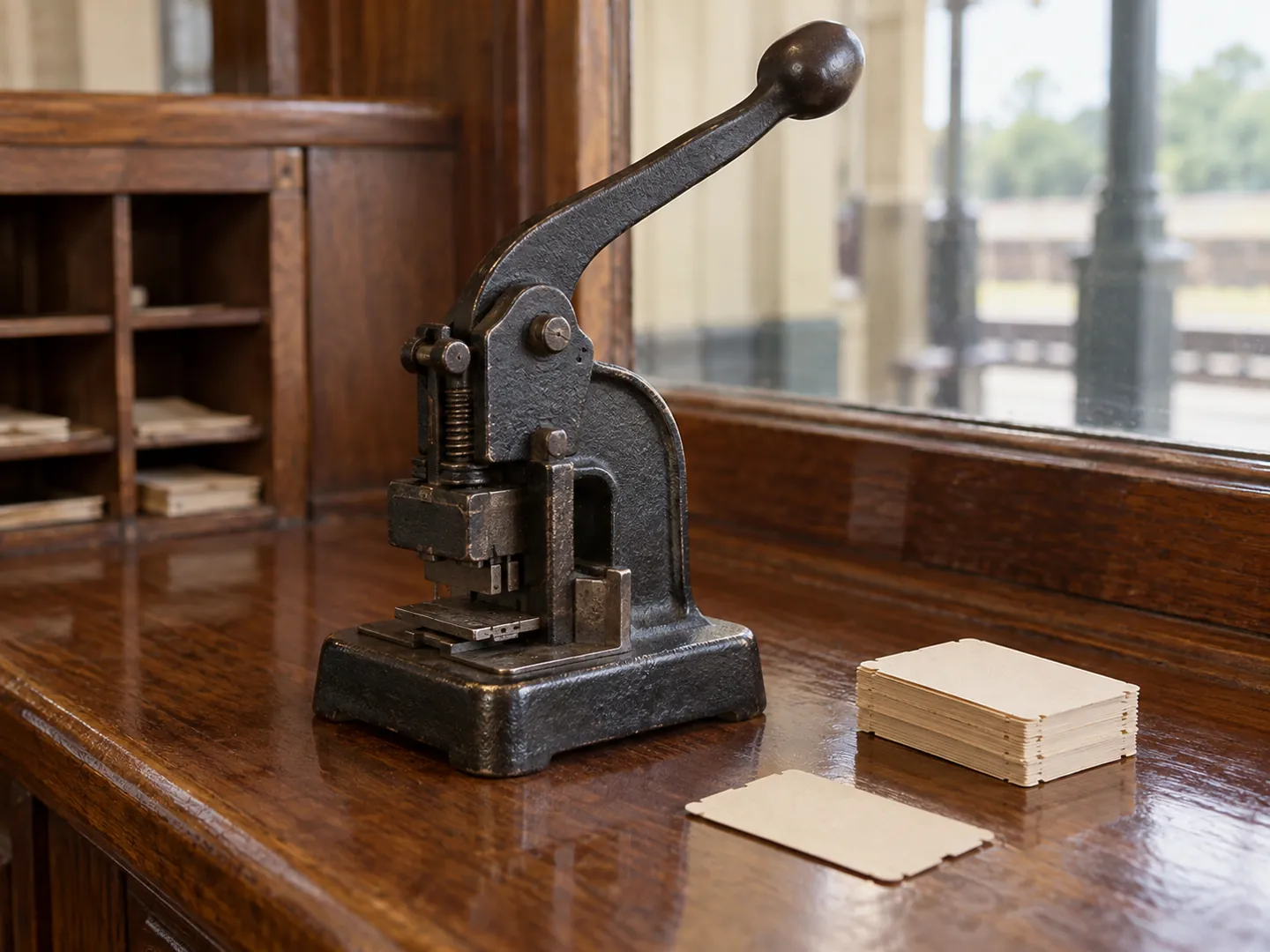
A separate date-stamping press validated each ticket when it was bought. The Science Museum Group holds one made in 1837.
See the numbersTHE LEGACY
The last Edmondson press was switched off in 1988, and the use of Edmondson tickets ended a year later.
How it spread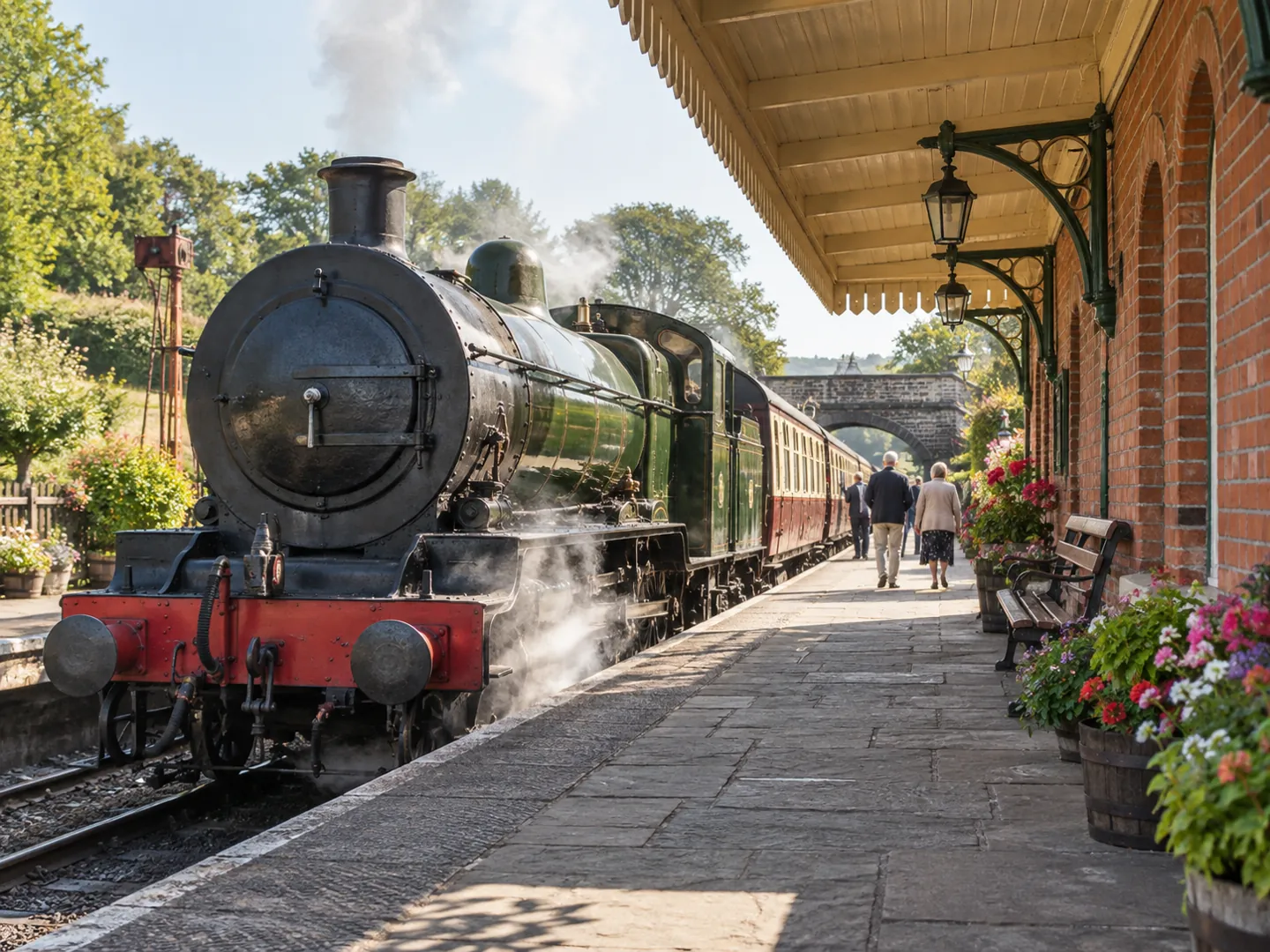
SEE THE SYSTEM YOURSELF
Card tickets and their machines survive in museum collections and on heritage lines.
Edmondson printing machines are listed in the National Railway Museum's open store. The museum suggests contacting it first to check an object is on display.
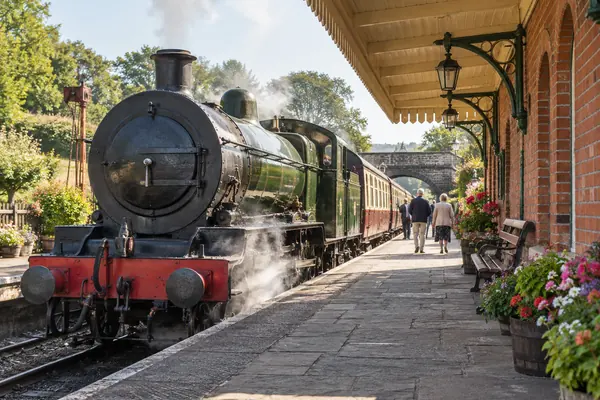
Grace's Guide says the compact cast iron dating machine can still be seen in use at some heritage railways.
The Science Museum Group Collection website lists Edmondson tickets from many railway companies, with photographs.
Collection tickets record the company, class, journey and number, such as a 1898 third-class single from Whistlefield to Garelochead.
HOW IT SPREAD
Grace's Guide says Thomas Edmondson became station master at Milton on the Newcastle and Carlisle Railway in 1836, and in 1839 chief ticket clerk at the Manchester terminus of the Manchester and Leeds Railway. His machines needed precise engineering to pick single cards about 1/32 inch thick from a stack.
After his death in 1851 his son continued the business, which produced printed tickets into the 1950s. The system's machines were used around the world, and the Science Museum Group holds a ticket issuing machine used at Downham Market station until 1991.
Questions
A small piece of cardboard pre-printed with the journey details, numbered in sequence and date-stamped when sold. It replaced the handwritten paper bills used on early railways.
From the late 1830s. The Science Museum Group holds a dating press made in 1837. The last Edmondson press was switched off in 1988 and the use of the tickets ended in 1989.
Each ticket was numbered in sequence, from 0000 to 9999, by two wheels on the printing machine, each marked 00 to 99. Grace's Guide says the wheels had to be precisely made.
According to the Science Museum Group, a skilled operator could print 200 tickets a minute, compared with tickets cut out by hand before.
Yes. Printing machines are in the National Railway Museum's open store, and Grace's Guide says dating presses can still be seen in use at some heritage railways.
Sources
ABOUT THIS NAME
doodleticket.com is part of the DoodleSale portfolio. It isn't in an auction right now, but you can ask about leasing it.